Your Digital Toolkit for Powerful Visual Communication
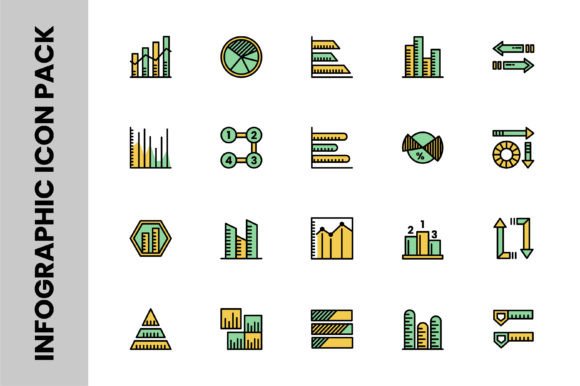
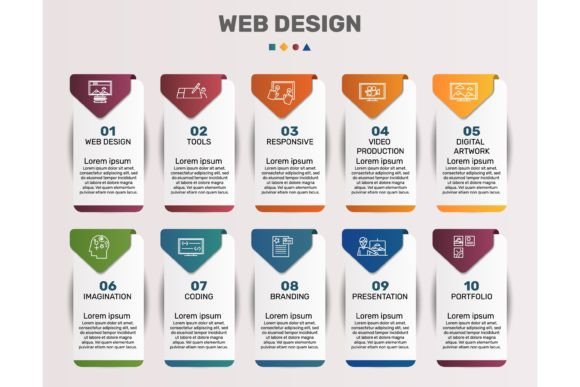
The digital landscape is saturated with information. Cutting through that noise requires clear, compelling visual communication. An Infographic Web Design Template is your professional toolkit for achieving this. It's more than a static image; it's a structured, editable system designed to organize complex data, processes, or ideas into an aesthetically pleasing and easily digestible graphic. This particular vector-based template isn't a one-off image. It's a collection of scalable, editable assets—including icons, symbols, and logo graphics—provided in multiple file formats like EPS, AI, SVG, and JPG. This means it's built for reuse, adaptation, and integration across countless projects.
A Foundation for Creativity and Clarity
What makes this type of template genuinely valuable? First, it provides a professional foundation. Instead of starting from a blank canvas, you begin with a coherent visual structure that guides layout and hierarchy. This saves immense time and ensures a baseline level of design polish that might be difficult for non-designers to achieve independently. The template is inherently responsive in its philosophy; its vector components are designed to scale flawlessly for different screen sizes and outputs, from mobile blogs to large presentation slides.
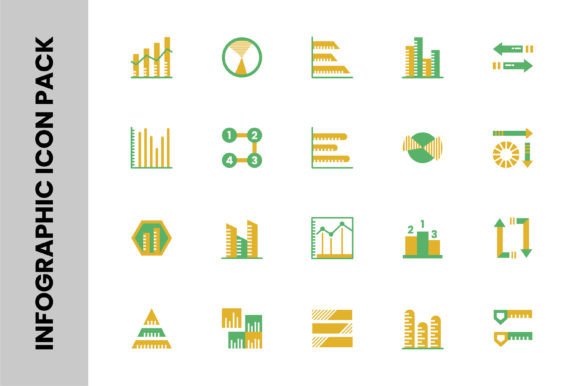
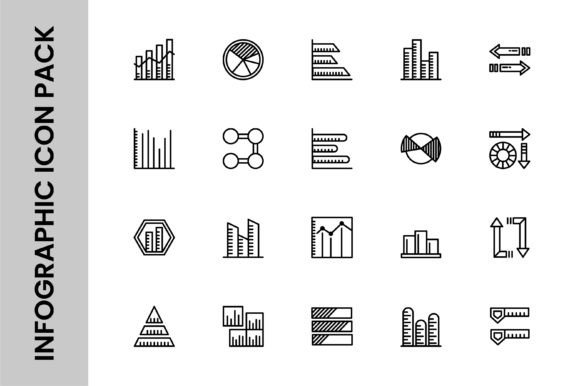
The inclusion of diverse elements like icons in different colors speaks directly to practical application. You can quickly color-match elements to your existing brand palette. The symbol and logo vector graphics are not merely decorative; they are functional units you can repurpose to represent specific services, steps in a process, or key statistics. This transforms the template from a single-purpose design into a living resource for your ongoing communication needs.
Unlocking Real-World Applications
The utility of an Infographic Web Design Template spans far beyond a single blog post. Entrepreneurs and marketers can use it to create investor pitch decks, simplify product feature breakdowns, or visualize market research data for internal teams. Educators and publishers can transform dense textbook chapters or historical timelines into engaging classroom materials or supplementary online content. The digital artwork inherent in the vectors is perfect for enhancing e-learning modules or interactive guides.
For creators and freelancers, this template is a productivity booster. A graphic designer might use the base structure and icons to rapidly prototype client concepts. A video producer could employ elements from the template to create on-screen graphics or storyboard sequences, blending video production assets with crisp, premade vector art. Bloggers and hobbyists can elevate their content's authority by explaining intricate hobbies or tutorials through clear visual steps, all without needing advanced design software skills—thanks to the easy-to-edit AI and SVG files.
From Imagination to Implementation
The journey from acquiring the template to final output is straightforward. You receive the core files: the EPS for broad compatibility across printing and professional software, the AI file for deep editing in Adobe Illustrator, the SVG for web development and browser-friendly scaling, and a JPG for quick placement or reference. This multi-format delivery is crucial. It means a marketing professional can tweak the template in Illustrator, a web developer can embed the SVG directly into a responsive website, and a business owner can still use the JPG in a simple PowerPoint deck.
Your imagination dictates the final product. The same template framework could become an annual report infographic, a flowchart for a new HR policy, or a visual menu for a digital agency's services. The key is to see the components as building blocks. Replace placeholder text with your data. Swap icon colors to align with your brand's emotion. Rearrange sections to suit your narrative flow. The structured yet flexible design supports, rather than restricts, your creative intent.
Practical Considerations for Selection and Use
When evaluating an Infographic Web Design Template, look beyond the preview image. Assess the described file formats. True vector templates (AI, EPS, SVG) offer the editing depth you need for long-term value. Check for layer organization in the source files; well-grouped layers make customization significantly easier. Consider how the template's visual style aligns with your typical audience—is it modern and minimal, or bold and energetic?
During implementation, start by mapping your information to the template's existing structure. Don't force-fit data; adapt the template slightly if needed. Use the provided icons consistently to create a visual language within your graphic. For instance, use the same "video" icon whenever referencing multimedia content. This consistency reinforces learning and improves user experience. Remember, the goal is enhanced communication. Even with a beautiful template, overcrowding it with text will undermine its purpose. Let the visuals lead, and support them with concise, powerful copy.
Ultimately, this Infographic Web Design Template serves as a bridge between raw information and audience understanding. It empowers professionals, educators, and creators to produce high-quality visual content efficiently, ensuring their ideas are not just seen, but clearly understood and remembered. By leveraging its scalable vector graphics and easy-to-edit files, you turn a single download into a versatile asset for your digital toolkit, ready to bring clarity and impact to your next project.